
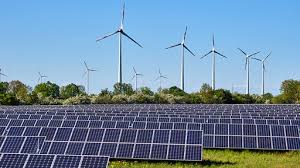
As the world pivots toward cleaner, greener energy systems, the demand for skilled workers in the renewable energy sector is rising rapidly. For young South Africans seeking a meaningful and future-proof career, a learnership in renewable energy offers a golden opportunity. A learnership — combining structured training, real-world workplace experience and a formal qualification — can launch your journey into this dynamic industry.
Why choose a learnership in renewable energy?
Renewable energy — including solar, wind, biomass and hydro systems — is no longer just a niche speciality; it’s central to global and national efforts to reduce carbon emissions, ensure energy security and fuel economic growth. By entering a learnership in this sector you become part of that change: you gain technical skills, practical experience and a qualification while contributing to a sustainable future.
For example, the Energy and Water Sector Education and Training Authority (EWSETA) supports learnerships, bursaries and internships in the energy and water sectors, including renewable energy, helping unemployed youth access training, stipends and certification. One recent partnership between EWSETA and Veer Energy offered a 15-month learnership blending theoretical knowledge and hands-on training in renewable-energy technologies.
What do renewable energy learnerships involve?
Typically, a renewable energy learnership involves:
- A formal qualification registered on the National Qualifications Framework (NQF) — for example an Occupational Certificate or National Certificate in a field such as solar photovoltaic service, wind turbine maintenance, or industrial electrician in a renewable-energy plant.
- A combination of classroom / workshop training and workplace experience in an actual operational environment (solar plant, wind farm, installation company).
- Exposure to real-life tasks: e.g., installing and maintaining solar PV systems, troubleshooting wind turbine components, implementing safety and environmental compliance procedures.
- Many programs come with a stipend to support you during the learnership, and upon completion you gain a recognized qualification and improved employment prospects.
For example, the learnership offered by Boshof Solar Power (Free State) is a three-year Industrial Electrician Learnership preparing learners for trade test certification.
Who can apply?
Eligibility varies by programme but typically includes:
- South African citizenship and valid ID.
- A matric certificate (Grade 12) with Mathematics and Physical Science (some programmes accept N2 certificates with trade related subjects) as minimum.
- Age range often between 18 and 35 (learnerships aimed at youth).
- Depending on the project, preference may be given to candidates residing in a local community or region (especially for projects focused on community upliftment).
- Basic computer literacy, willingness to work at sites (solar farms, wind farms), physically fit and safety-conscious.
What skills and outcomes will you gain?
By participating in a renewable energy learnership you’ll:
- Learn the fundamentals of renewable energy technologies: how solar panels convert sunlight to electricity, how wind turbines generate power, how systems are maintained and monitored.
- Develop technical, hands-on skills: installation of PV systems, maintenance of turbines, electrical fault-finding, safety procedures, environmental compliance.
- Earn a formal qualification or trade-ready certification — which enhances your CV and employability.
- Gain workplace experience, mentorship and the chance to build a network in the renewables industry.
- Contribute positively to your community: renewable energy projects often bring local jobs, infrastructure improvement and long-term benefits.
Why this is a critical time to join
In South Africa and globally, the renewable energy sector is accelerating. The skills gap in green technologies is recognised as a major barrier to the energy transition. Programs like those supported by EWSETA are actively addressing this gap.
With energy demand, decarbonisation goals and investment in green infrastructure all growing, the learnership you take now will open doors to both current and future opportunities.
How to apply: steps to success
- Check eligibility: Ensure you meet the matric/N2 requirements, age criteria, citizenship and region criteria.
- Prepare required documents: Certified copy of ID, matric certificate, proof of residence, CV, sometimes a cover letter.
- Find the programme: Visit websites of relevant SETAs (e.g., EWSETA), check training provider portals, look out for announcements from renewable energy companies offering learnerships.
- Submit your application early: Many closing dates are final. For example, Boshof Solar’s closing date was 17 November 2025.
- Prepare for assessment: Some programmes include interviews or tests; highlight your interest in renewables, willingness to learn, safety awareness.
- Start training: If selected, commit fully: classroom hours, site work, mentorship — treat it like a job even though you’re still learning.
Tips for standing out
- Emphasise any prior technical experience, even in other fields — e.g., electrical work, maintenance, technical workshops.
- Show genuine interest in renewable energy: mention why you want to join, what motivates you (job growth, helping communities, sustainability).
- Demonstrate willingness to relocate or work on site if needed.
- Have your documents certified and ready early — many applications are rejected for incomplete paperwork.
- Maintain a professional CV and dress/present well for any interview.
What happens after the learnership?
Upon successful completion you will hold a qualification (e.g., Industrial Electrician / Solar PV Service Technician), have workplace experience and be ready for employment. Some learnerships offer a pathway to a permanent position in the same company, or you may seek opportunities across the renewable energy sector: solar installation companies, wind energy farms, maintenance contractors, and more.
You may also continue to up-skill: move from technician to supervisor, project management, renewable energy design, or further engineering studies.
Final word: power your future, power the planet
Joining a renewable energy learnership is more than just a job training — it’s a step into a sector that offers meaningful work, growth, community impact and a clean-energy future. As South Africa accelerates the shift to renewables, you can be part of the movement, grow your skills, build a career and help us all move toward a sustainable world.
If you’re ready to take the next step — gather your documents, research current programmes (such as those supported by EWSETA), apply early and commit yourself fully — you could be starting a career that matters.
📧 Email your CV and documents to:
➡️ learnerships@ewseta.org.za