
The Eastern Cape Development Corporation (ECDC) is dedicated to fostering economic growth and development in the Eastern Cape province. One of its key initiatives is the Construction Learnership Programme, which aims to equip unemployed youth with the necessary skills and experience to pursue careers in the construction industry.
Programme Overview
The ECDC’s Construction Learnership Programme is designed to provide participants with both theoretical and practical training in various construction trades. The programme is implemented in partnership with accredited training providers and is aligned with the standards set by the Construction Education and Training Authority (CETA).
Key Features of the Programme
- Duration: The learnership typically spans 12 months, combining classroom-based learning with hands-on experience in real-world construction projects.
- Stipend: Participants receive a monthly stipend to assist with their living expenses during the duration of the programme.
- Accredited Training: The training is delivered by CETA-accredited providers, ensuring that the skills acquired are recognized within the industry.
- Mentorship: Learners are paired with experienced mentors who provide guidance and support throughout the programme.
Eligibility Criteria
To be considered for the Construction Learnership Programme, applicants must meet the following criteria:
- Age: Applicants should be between the ages of 18 and 35.
- Residency: Preference is given to individuals residing in the Eastern Cape province.
- Educational Background: A minimum of a Grade 12 certificate is required. However, individuals with prior experience or qualifications in construction-related fields may also be considered.
- Unemployment Status: The programme is targeted at unemployed youth seeking to enter the construction industry.
- Commitment: Applicants must demonstrate a strong commitment to completing the full duration of the learnership.
Application Process
The application process for the Construction Learnership Programme involves the following steps:
- Submission of Application: Interested candidates must submit a completed application form, along with certified copies of their ID, Grade 12 certificate, and any other relevant qualifications.
- Selection Process: Applications are reviewed, and shortlisted candidates are invited for interviews. The selection process may also include assessments to evaluate the candidates’ suitability for the programme.
- Induction and Training: Successful candidates undergo an induction session, followed by the commencement of the training programme.
Training Components
The learnership programme encompasses various components to ensure comprehensive skill development:
- Classroom-Based Learning: Participants engage in theoretical lessons covering topics such as construction safety, building materials, project management, and construction techniques.
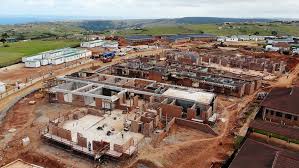
- Practical Experience: Learners gain hands-on experience by working on actual construction sites, applying the knowledge acquired in the classroom.
- Assessment and Certification: Throughout the programme, learners are assessed on their progress. Upon successful completion, they receive a nationally recognized qualification in their chosen trade.
Benefits of the Programme
- Skill Development: Participants acquire valuable skills that enhance their employability in the construction sector.
- Industry Recognition: The qualification obtained is recognized by employers within the industry, opening doors to various career opportunities.
- Networking Opportunities: Learners have the chance to connect with professionals in the construction industry, expanding their professional network.
- Potential Employment: Upon successful completion, learners may be considered for permanent positions within the ECDC or its partner organizations.
Conclusion
The ECDC’s Construction Learnership Programme is a significant initiative aimed at addressing youth unemployment in the Eastern Cape by providing training and development opportunities in the construction industry. By equipping young individuals with the necessary skills and experience, the programme contributes to the growth and development of the province’s infrastructure and economy.