
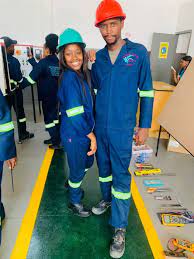
The rapid growth of electric vehicle (EV) production is creating strong demand for skilled artisans who can support advanced manufacturing, assembly, testing, and maintenance operations. The EV Manufacturing Artisan Apprenticeship 2025/2026 is designed to equip young South Africans and entry-level technical candidates with practical skills and formal workplace experience required in modern EV manufacturing environments. This apprenticeship combines structured theoretical learning with on-the-job training to prepare participants for long-term careers in the automotive and green energy sectors.
This programme is ideal for candidates who are interested in hands-on technical work, innovation, and sustainable technologies. Apprentices will be exposed to real manufacturing processes used in EV plants, including component assembly, electrical systems integration, quality control, and equipment maintenance. Upon completion, successful apprentices will have improved employability and may qualify for artisan trade testing, depending on the occupational field and workplace requirements.
Programme Overview
The EV Manufacturing Artisan Apprenticeship runs over a structured period, typically between 24 and 36 months, depending on the trade. Apprentices are placed within EV manufacturing or automotive production facilities where they rotate through different departments. Training focuses on safety, productivity, quality standards, and compliance with manufacturing regulations. Participants receive mentorship from qualified artisans and supervisors while building a solid foundation in both traditional engineering principles and EV-specific technologies.
The programme supports national skills development priorities and aligns with the transition toward clean energy and sustainable transport. Apprentices gain experience with modern tools, automated systems, and digital diagnostics commonly used in EV production lines.
Fields Offered
The apprenticeship covers several artisan trades relevant to EV manufacturing. Fields offered may include:
Electrical Engineering (Electrician) with a focus on high-voltage systems, wiring, and control panels used in electric vehicles.
Mechanical Engineering (Fitter and Turner) involving precision assembly, maintenance of production machinery, and mechanical components.
Millwright, combining electrical and mechanical skills for installation, maintenance, and fault-finding on automated manufacturing equipment.
Automotive Motor Mechanic with emphasis on electric drivetrains, battery systems, and EV diagnostics.
Mechatronics, focusing on robotics, automation, sensors, and programmable logic controllers used in smart factories.
Toolmaking, supporting the design, manufacture, and maintenance of tools, jigs, and dies used in EV production.
These fields prepare apprentices for roles across the EV value chain, from manufacturing and quality assurance to maintenance and technical support.
Minimum Requirements
To be considered for the EV Manufacturing Artisan Apprenticeship 2025/2026, applicants are generally required to meet the following criteria:
Applicants must be South African citizens or legally permitted to work in South Africa.
A minimum qualification of Grade 12 or equivalent is required, with Mathematics and Physical Science as compulsory subjects.
Technical subjects such as Engineering Graphics and Design, Electrical Technology, Mechanical Technology, or related vocational subjects are advantageous.
Applicants should be between 18 and 35 years of age, although age requirements may vary depending on the employer.
A strong interest in engineering, manufacturing, and electric vehicle technology is essential.
Good communication skills and the ability to work effectively in a team environment are required.
Applicants must be medically fit to perform physical and technical work in a manufacturing environment.
Basic computer literacy is recommended, as modern EV manufacturing uses digital systems and automated equipment.
No prior work experience is required, but any exposure to technical workshops, internships, or practical training will be an added advantage.
Training and Benefits
Apprentices receive structured training that includes theoretical instruction and practical workplace learning. Participants may receive a monthly stipend to support basic living expenses during the apprenticeship period. In addition, apprentices gain access to industry-standard equipment, professional mentorship, and nationally recognised training outcomes.
Career Opportunities
Upon successful completion, graduates may qualify as artisans and pursue employment in EV manufacturing plants, automotive companies, renewable energy projects, or engineering maintenance services. The skills gained are also transferable to other manufacturing and industrial sectors, offering long-term career stability.
The EV Manufacturing Artisan Apprenticeship 2025/2026 provides a valuable pathway for young people seeking to build a sustainable technical career in one of the fastest-growing industries in the world.
Send your CV : masilelar@rttrust.co.za
Submit applications before 31 January 2026